
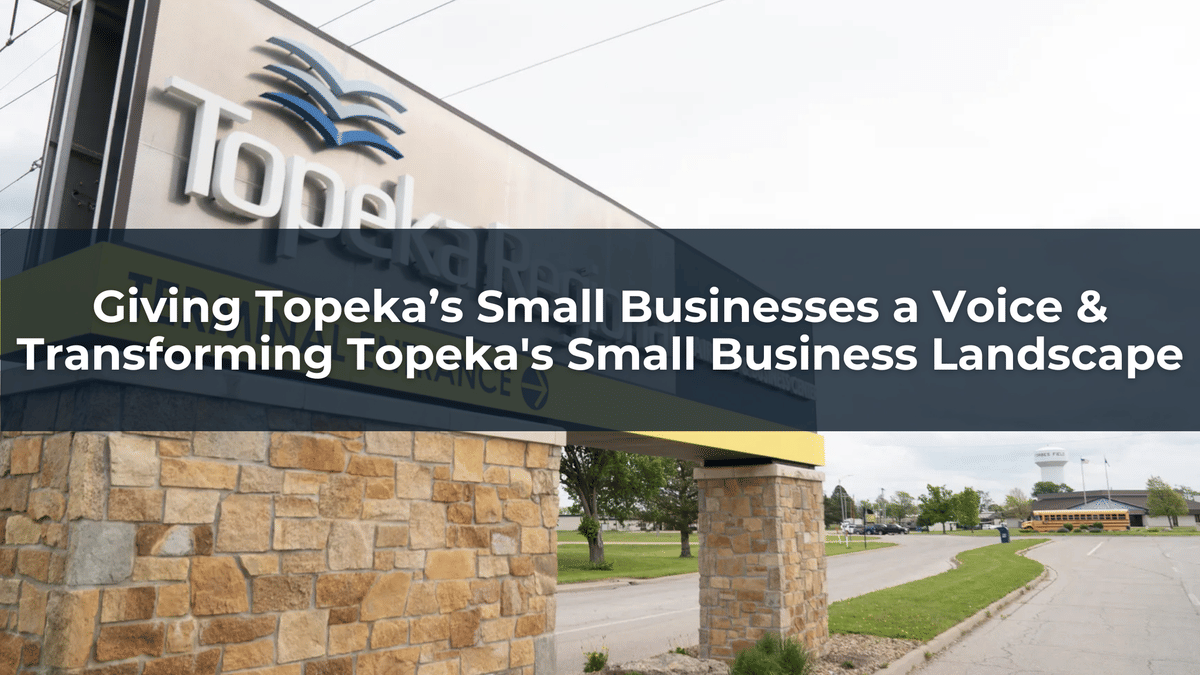
Big things are flying into Topeka’s future. The Metropolitan Topeka Airport Authority (MTAA) is on a mission to turn the city’s airports into engines of economic growth—and it might just be working. In a conversation with Curtis Sneden, MTAA’s Director of Development, we got a look at the ambitious plans in motion that could put Topeka on the map in a whole new way.
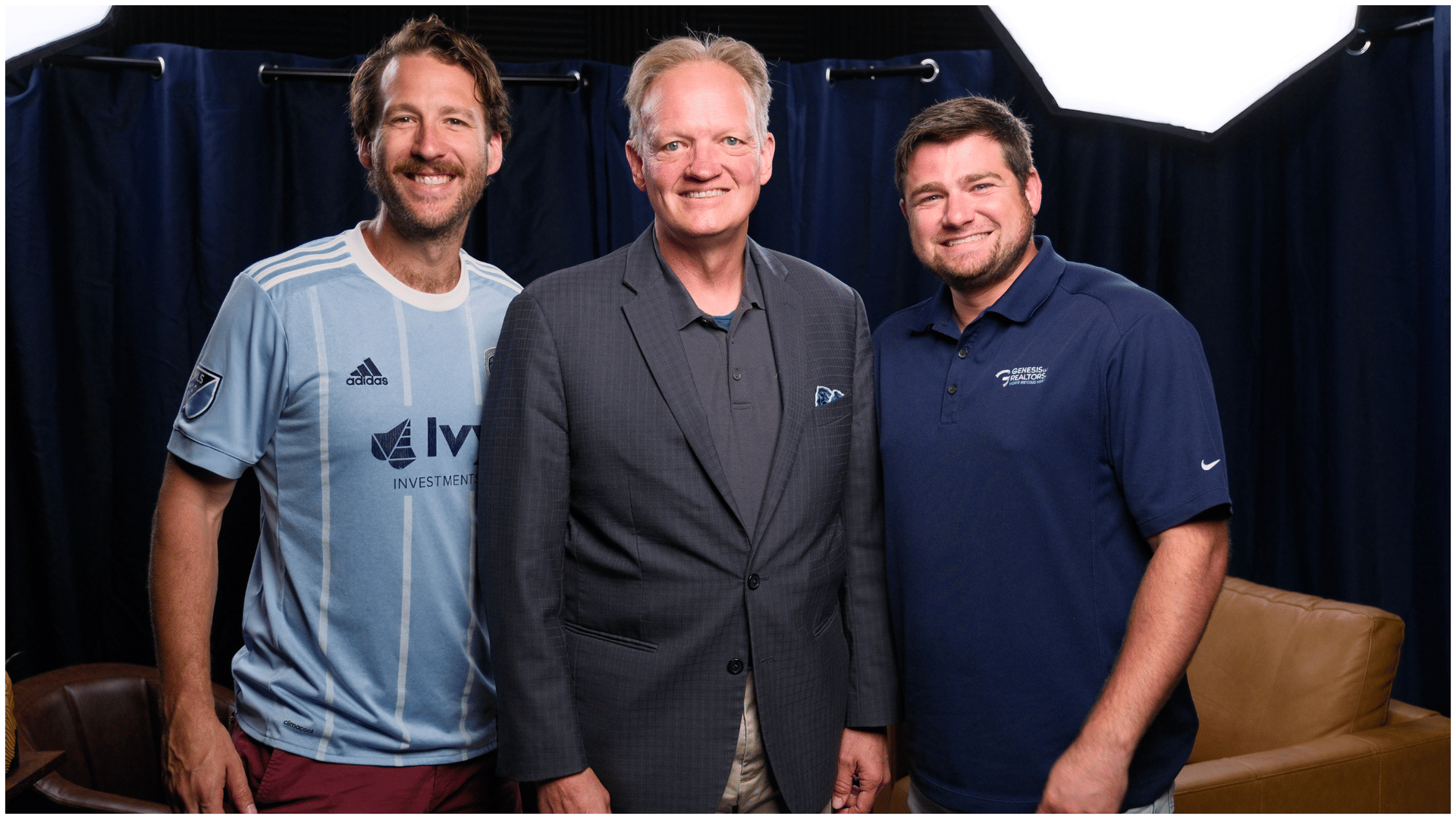
Commercial Flights May Be Coming Back
Topeka hasn’t had commercial air service since 2014, but that may be changing soon. Based on new market data, airlines are once again eyeing Topeka. With 1,400 Topekans driving to KCI daily—many bound for Orlando, Las Vegas, and Phoenix—there’s a clear demand. Airlines see opportunity, and Curtis believes Topeka Regional Airport could have flights as early as March 2026. Beyond the convenience of cutting travel time down to just 15 minutes, the MTAA plans to offer free parking and expects airfare to be competitive due to lower operating costs than KCI. It’s a potential game-changer for local travelers looking for ease, speed, and savings.

Aviation Industry Growth and Job Creation
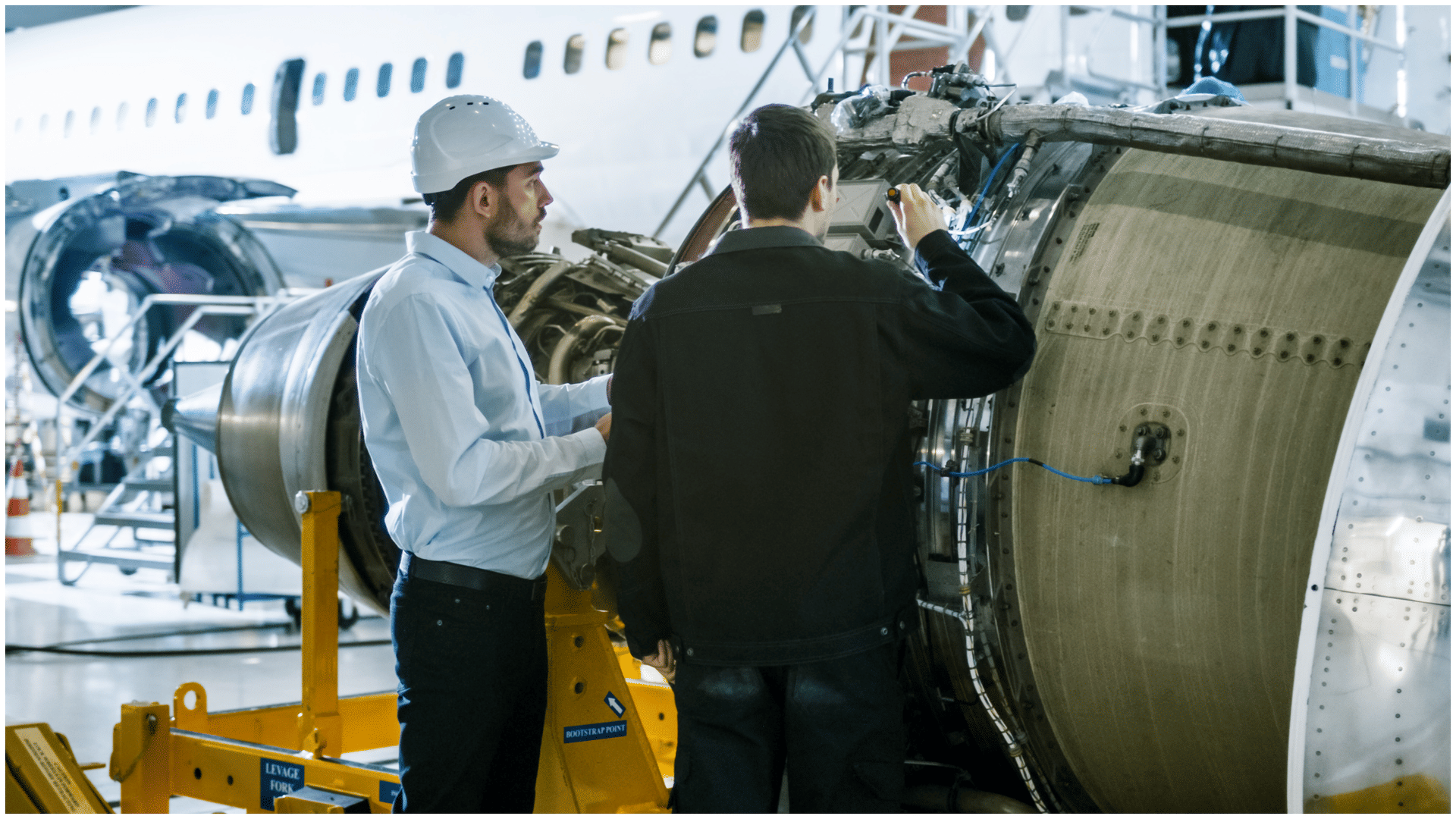
Topeka’s airport isn’t just about passengers. Plans are underway for an 80,000-square-foot hangar that could service wide-body jets like the Boeing 777. That means skilled jobs, especially in aircraft maintenance. MTAA is already working with Washburn Tech on training programs to meet this growing need, giving local students a path into high-paying technical careers. Add in the presence of the 190th Air Refueling Wing which already employs experienced aviation professionals and Topeka has a workforce advantage that could support the entire region’s aerospace ambitions.
Building the Kansas Aerospace Triad
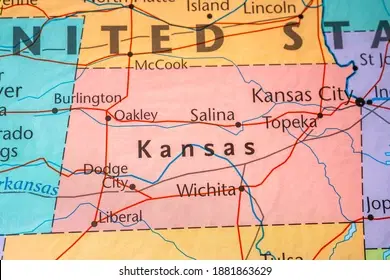
Curtis envisions a statewide powerhouse, Topeka, Wichita, and Salina forming a “Kansas Aerospace Triad.” Each city has the infrastructure, workforce, and ambition to become a regional hub for aviation and aerospace industries. With long runways, open land, and the right partnerships, this trio of cities could establish Kansas as a leader in both commercial and industrial aviation sectors.
Untapped Potential Around the Airport
Hundreds of undeveloped acres sit next to Topeka Regional Airport, waiting for the right partners. Vaerus Aviation is already expanding, and Million Air continues to service both private and military aircraft. The potential for more is massive. This industrial park represents one of the city’s most promising frontiers for development, with room to attract aerospace suppliers, logistics companies, and high-tech manufacturing.
Unified Economic Development Strategy
With Curtis’s background in the Chamber and Greater Topeka Partnership, collaboration is at the heart of MTAA’s approach. Whether you’re a new business or a longtime stakeholder, there’s a one-stop-shop mentality now guiding development. This unified strategy streamlines support, reduces red tape, and connects entrepreneurs with the people and resources they need to thrive. It’s a strategic advantage that few cities this size can offer.

The Big Picture: Topeka Rising
Topeka is shedding its old narrative. Where there was once hesitation, there’s now ambition. The airport—and all the opportunity around it is part of a bigger shift. This is about more than planes. It’s about momentum, transformation, and unlocking Topeka’s full potential. With the right investment, leadership, and collaboration, Topeka's airports could become the launchpad for the city's next chapter of growth.


This article, Topeka’s Airports: Engines of Growth and Transformation | Curtis Sneden, was written by Justin Armbruster of the Armbruster Team at Genesis, LLC, REALTORS®—local experts in Topeka real estate, storytelling, and community connection. Justin is passionate about highlighting the people and institutions shaping Topeka’s future. For more local spotlights and real estate tips, follow Justin on Instagram or call 785-260-4384.