
A Different Model of Philanthropy
When people hear “philanthropy,” they often picture galas and ceremonial checks.
But under Marcia Pope, president of the Topeka Community Foundation, the work looks far more operational — and far more strategic.
What began in 1983 as a $10,000 spark from the Junior League has grown into $120 million in assets stewarded for long-term local impact.
The scale matters.
But the structure matters more.
Endowments that spin off sustainable grants
Donor-advised funds that keep giving local
Impact investments that finance solutions grants alone can’t reach
The shift is philosophical as much as financial:
From charity → to change.
From buying apples → to fixing food access.
Health Is More Than Healthcare

One statistic reframed everything:
20% of health outcomes relate to genetics
20% to clinical care
60% to where people live
That 60% is the lever.
When the foundation examined Shawnee County data — obesity rates, smoking, preterm births, safety, access to groceries and parks — patterns emerged. Certain neighborhoods functioned like “intensive care zones,” where environment stacked the odds against families.
That insight expanded the definition of health to include:
Community safety
Childcare access
Stable housing
Workforce opportunity
Grocery access
Community development isn’t adjacent to economic development.
It is economic development.
A stable home and a safe block can do more for life expectancy than another clinic visit alone.
The Apples Story: Upstream Thinking
For years, a health grant might fund $1,000 worth of fruit for an after-school program.
Helpful. Appreciated. Temporary.
Now the question follows the check:
Why can’t families buy their own apples?
Is it:
Price?
Transit?
Store hours?
Neighborhood safety?
Absence of a nearby grocery?
That curiosity pushes dollars upstream — toward grocery recruitment, transit planning, safety improvements, and zoning changes that reduce the need for the grant next year.
When a donor ran into foundation staff at the grocery and funded school uniforms on the spot, it revealed the advantage of a local partner over a national transactional fund:
Context.
Local knowledge translates generosity into precise action.
Impact Investing: When Grants Aren’t Enough
Grants are powerful.
But some solutions require patient capital.
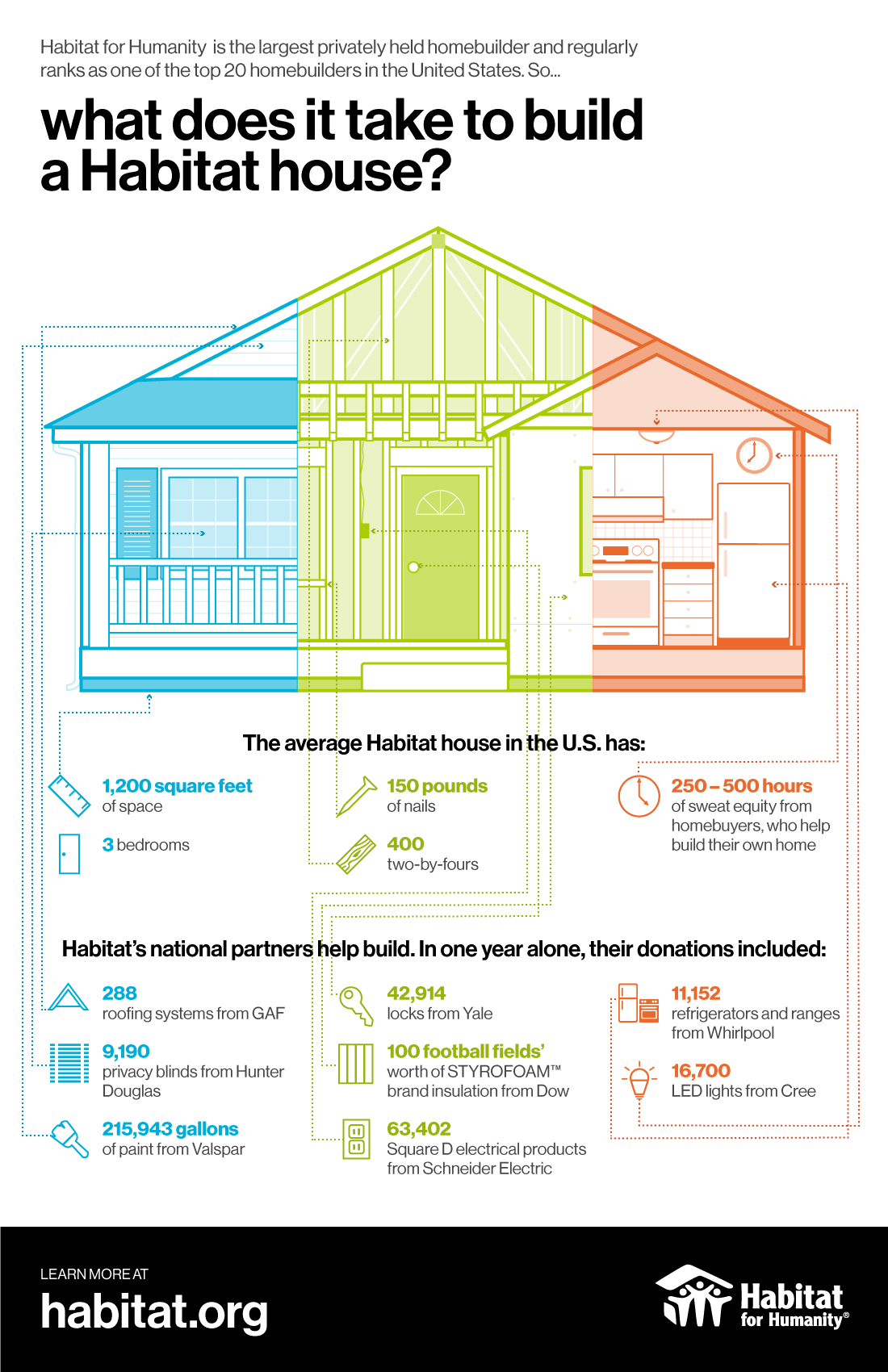
One example Marcia shared involved partnership with Habitat for Humanity to unwind predatory “contract for deed” arrangements — agreements that looked like mortgages but stripped families of equity after years of payments.
Through flexible financing and legal partnerships, families converted those contracts into legitimate mortgages, protecting homeownership and stabilizing neighborhoods.
The idea didn’t just solve one case.
It changed a system.
That’s the power of blending financial return with social return:
Childcare centers that can open
Affordable housing that can be built
Small businesses that can hire
Families who keep what they’ve earned
Mental Health, Safety & Systems

Mental health has emerged as a cross-cutting focus.
For years, funds existed but the scope felt overwhelming.
Now, stronger partnerships are aligning law enforcement, educators, and providers to focus on interventions that reduce crises and build resilience.
Because well-being is composite:
Trauma-informed schools relieve pressure on ERs
Safe parks reduce stress
Affordable housing prevents instability spirals
When funding criteria reflect these connections, dollars multiply.
Developing the Next Civic Leaders
Systems don’t change themselves.
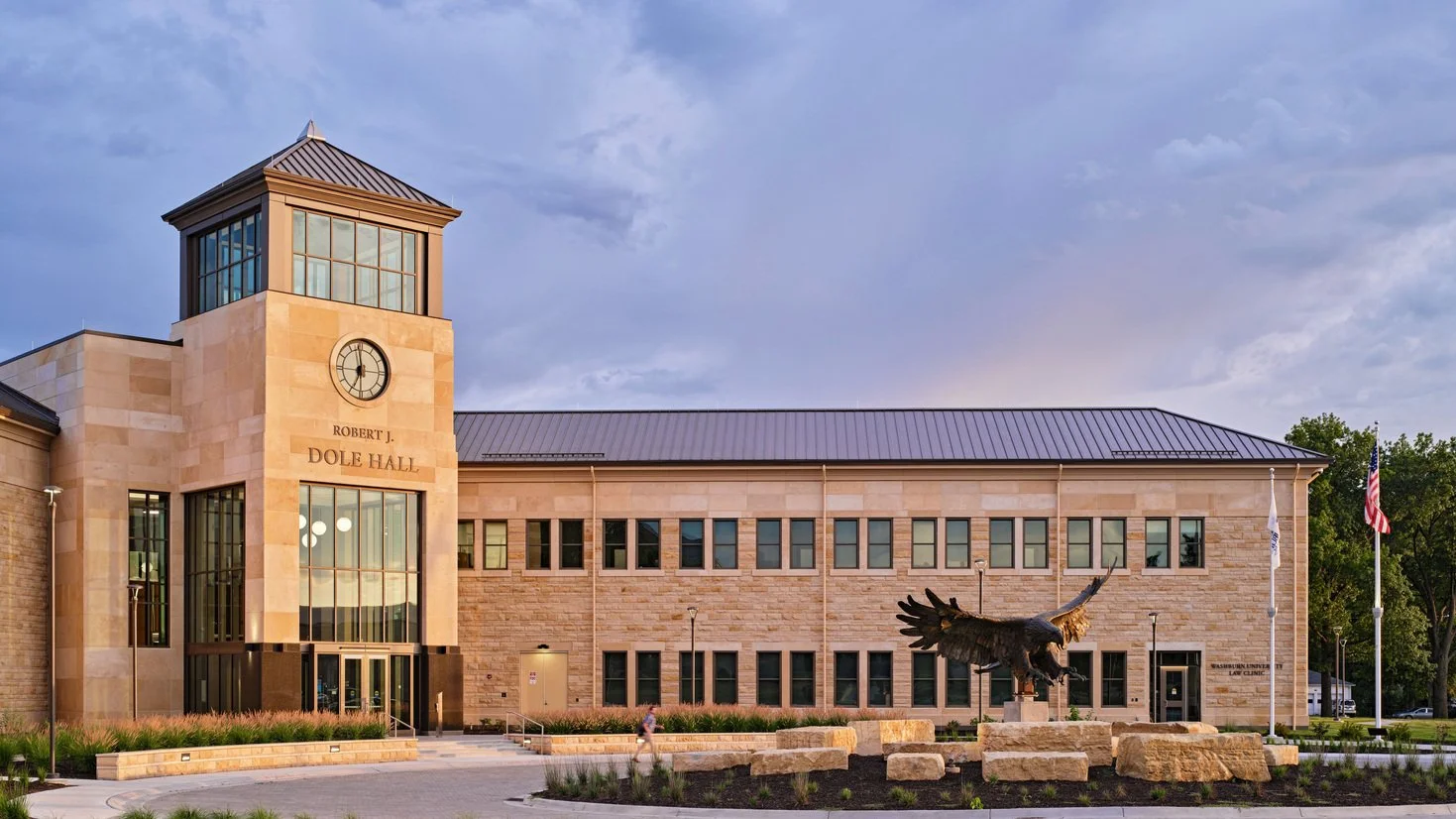
The foundation partners with Washburn University School of Business to host social enterprise pitch competitions — encouraging students to build ventures that pair revenue with civic value.
Ideas include:
Workforce training for returning citizens
Volunteer coordination platforms
Tools to streamline food access
Not every experiment succeeds.
But the process builds capacity in the city’s next problem-solvers.
The Through line: Prosperity for All
Around 2017, Topeka reached a civic inflection point — a broader vision of “prosperity for all.”
Under Marcia Pope’s leadership, the Topeka Community Foundation moved beyond transactional giving and toward systemic design.
The mission isn’t just to fund today’s need.
It’s to reduce tomorrow’s dependency.
From apples to access.
From checks to change.
From charity to transformation.
🎙 Listen to the Full Episode
Hear the full conversation with Marcia Pope on Speak Insight wherever you stream podcasts.
This article, How The Topeka Community Foundation is Driving Lasting Change | Marsha Pope, was written by Justin Armbruster of the Armbruster Team at Genesis, LLC, REALTORS®—local experts in Topeka real estate, storytelling, and community connection. Justin is passionate about highlighting the people and institutions shaping Topeka’s future. For more local spotlights and real estate tips, follow Justin on Instagram or call 785-260-4384.