
Craft Meets Global Journey
Chocolate tells two stories at once.
The first is intimate — happening behind a shop window in downtown Topeka.
The second is global — beginning with cacao pods harvested in Colombia or Uganda and ending as a medal-winning bar in Kansas.
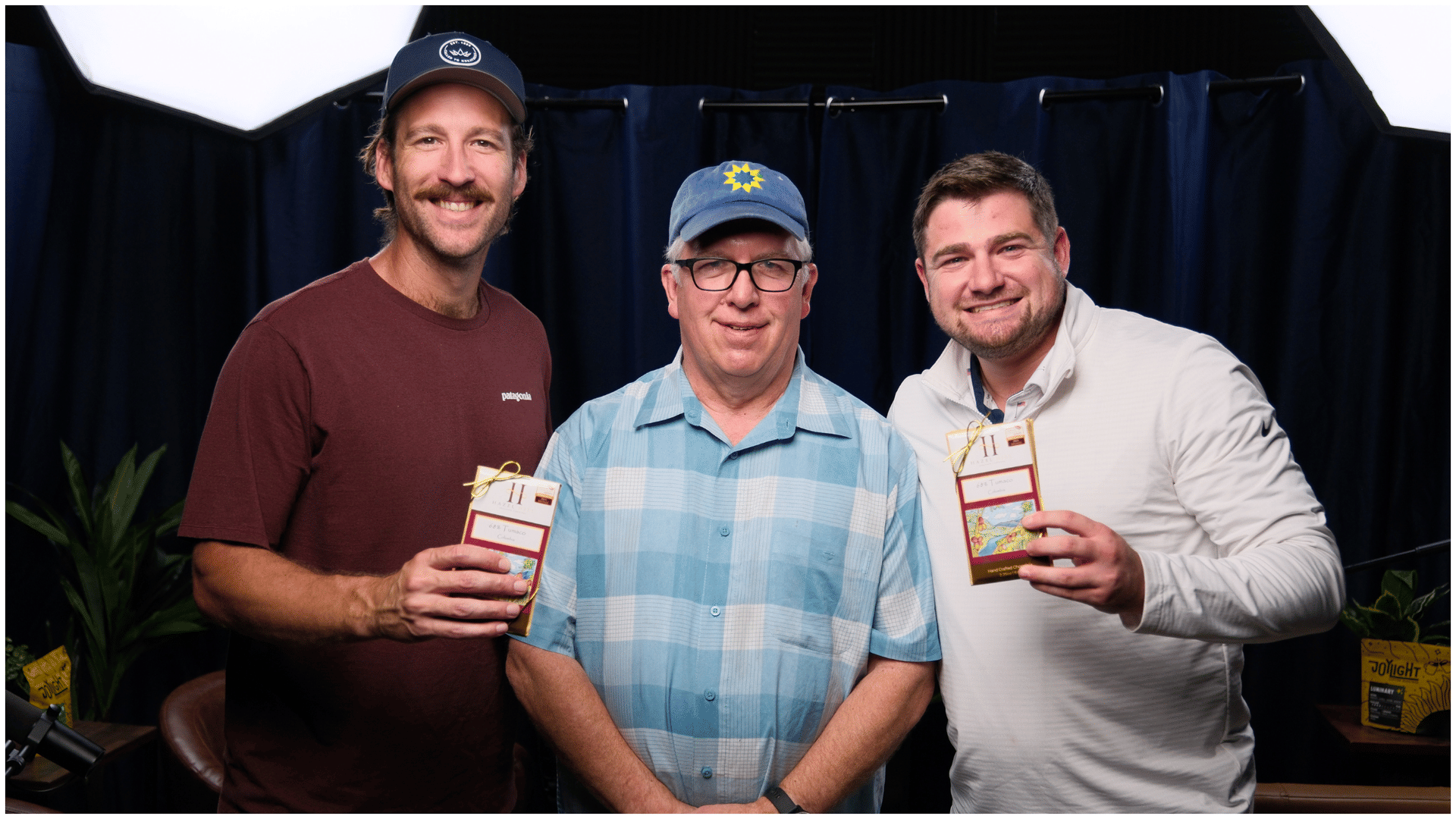
In this episode, Nick Xidis of Hazel Hill Chocolate shares how those stories converge.
His grandfather apprenticed in New York confectionery after World War I. Today, that lineage continues in a modern bean-to-bar operation rooted in Topeka — and recently recognized at the International Chocolate Awards.Care and place, it turns out, travel well.

The Science (and Patience) of Chocolate
Chocolate is equal parts agriculture, chemistry, and restraint.
The journey begins with cacao pods. Farmers cut them open, scoop out the pulp and seeds, and ferment them in wooden boxes. The heat generated during fermentation “cooks” the beans, developing acidity, fruit notes, and complexity.
After drying and export:
Beans are roasted to a precise flavor curve
Winnowed to separate husk from nib
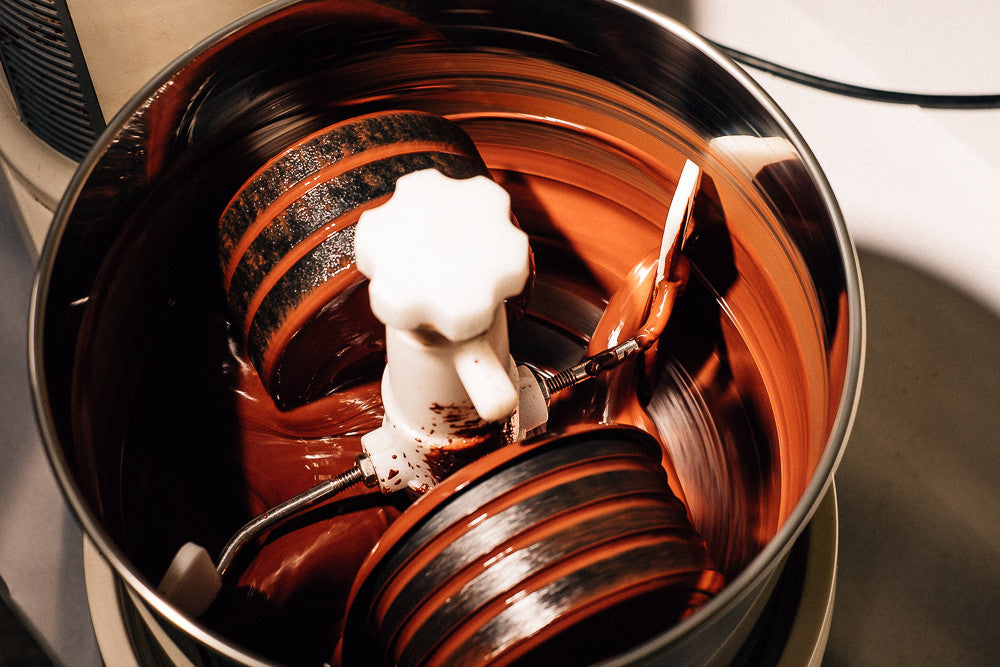
Refined in stone-wheel grinders
Tempered for shine, snap, and melt
Compared to coffee — roast, bag, sell — chocolate is a week-long cascade of controlled transformation.
Even the byproducts matter. Pressing yields cocoa butter for mouthfeel and cocoa powder for baking.
A finished bar should snap cleanly and melt smoothly, with no grit — just layered flavor.
Tasting Place in a Square of Chocolate
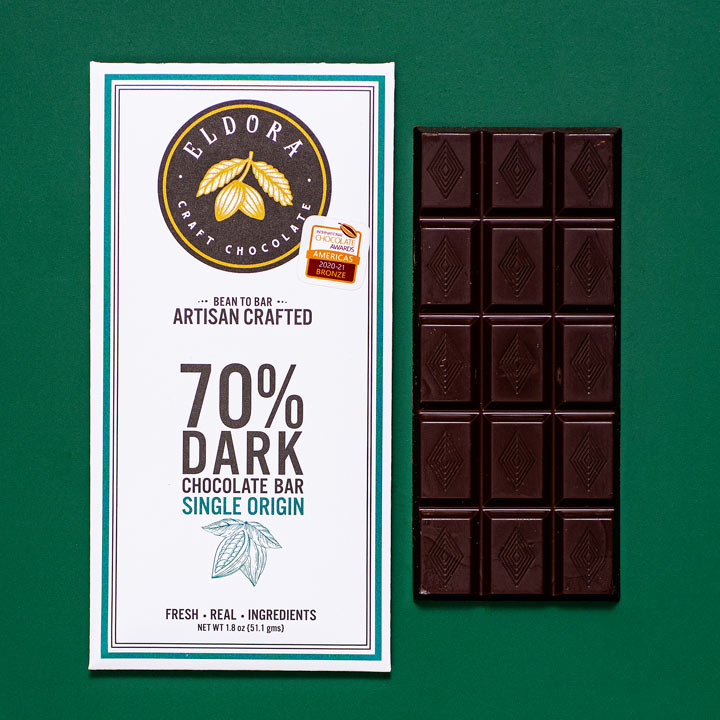
Single-origin chocolate expresses terroir just like wine.
A Tomaco bar from northern Colombia can show red fruit and bright acidity.
Cacao from Uganda’s Semuliki Forest leans smoother and earthy, with a yogurt-like finish from longer, cooler ferments.
Inclusion bars add storytelling tools. Hazel Hill has soaked nibs in Union Horse Distilling Co. bourbon and finished bars with Vietnamese cinnamon, building apple-pie warmth on Tanzanian cacao’s natural tang.
Tasting isn’t snobbery — it’s method:
Warm slightly in your hand
Smell first
Listen for snap
Let it melt slowly
Track the arc of flavor
Great chocolate evolves in your mouth.
The Business Reality Behind the Bar

The global cocoa market has been volatile.
Prices have jumped from roughly $3,000 per ton to highs near $12,000 — driven by West African crop disease, supply chain instability, and geopolitics.
Add U.S. tariffs on raw cocoa (despite no domestic cocoa farming), and small American makers face serious cost pressure.
Nick has responded by:
Hedging contracts
Carrying deeper inventory
Tying up more working capital
Yet his framing stays consistent:
Chocolate is a means to change someone’s day.
Whether it’s a child invited to stir caramel or a couple sharing a tasting kit, the real product is connection.
Why Topeka Matters

Nick describes Topeka as a “big small town.”
Collaboration is normal — even with major manufacturers like Mars Incorporated nearby.
Chambers and residents buy gift cards just to support local shops.
Entrepreneurship here runs on:
Craft
Relationships
Community backing
The lesson for founders?
Care for people for real.
Build quality.
Tell honest stories.
Craft plus community can carry you from a downtown address to an international medals table.
🎙 Listen to the Full Episode
Hear the full conversation with Nick Xidis on Speak Insight wherever you stream podcasts.

This article, From Bean To Bar: How Hazel Hill Builds Flavor, Wins Awards, And Serves A City | Nick Xidis, was written by Justin Armbruster of the Armbruster Team at Genesis, LLC, REALTORS®—local experts in Topeka real estate, storytelling, and community connection. Justin is passionate about highlighting the people and institutions shaping Topeka’s future. For more local spotlights and real estate tips, follow Justin on Instagram or call 785-260-4384.