

Saving Tigers in Sumatra
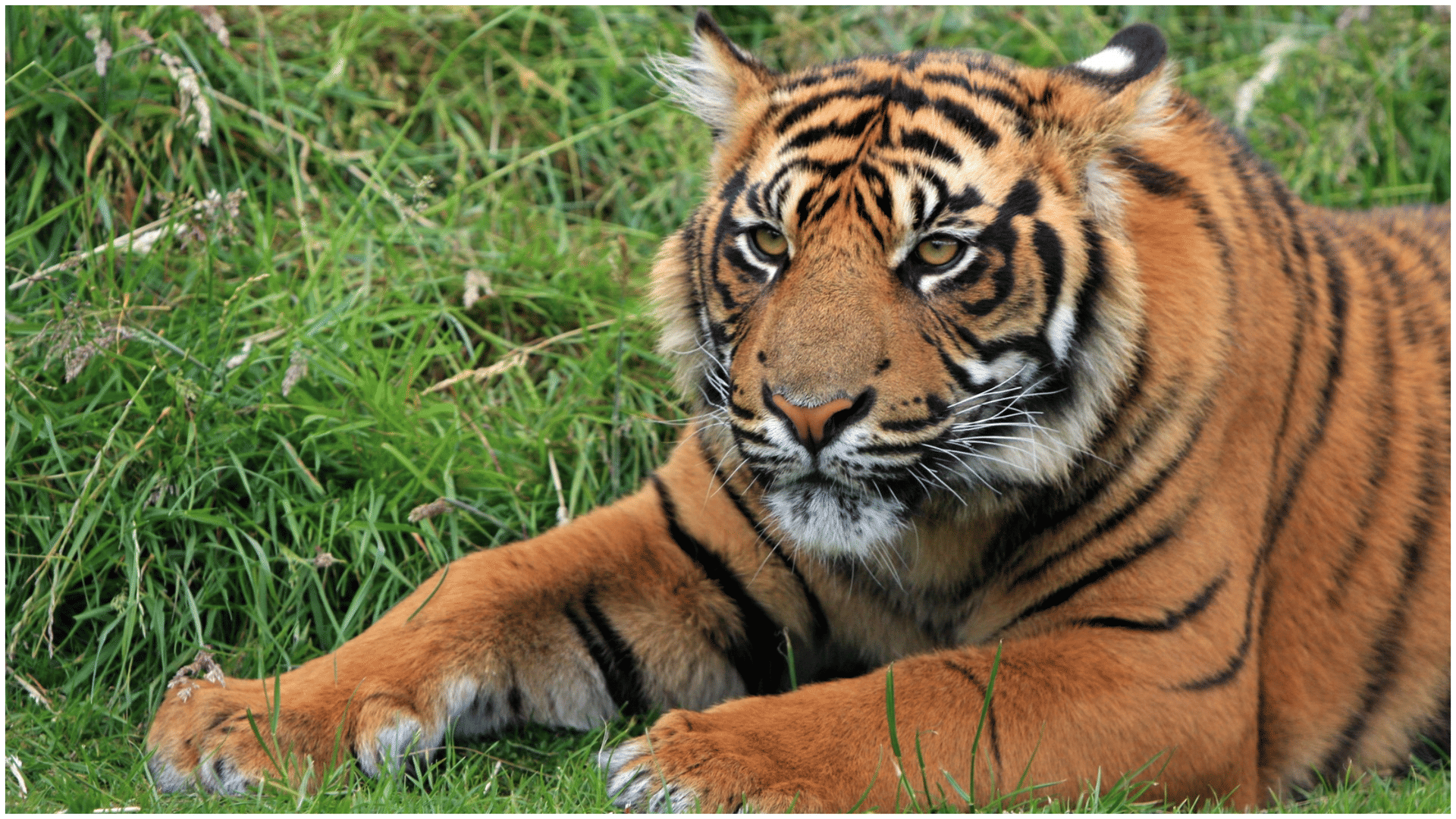
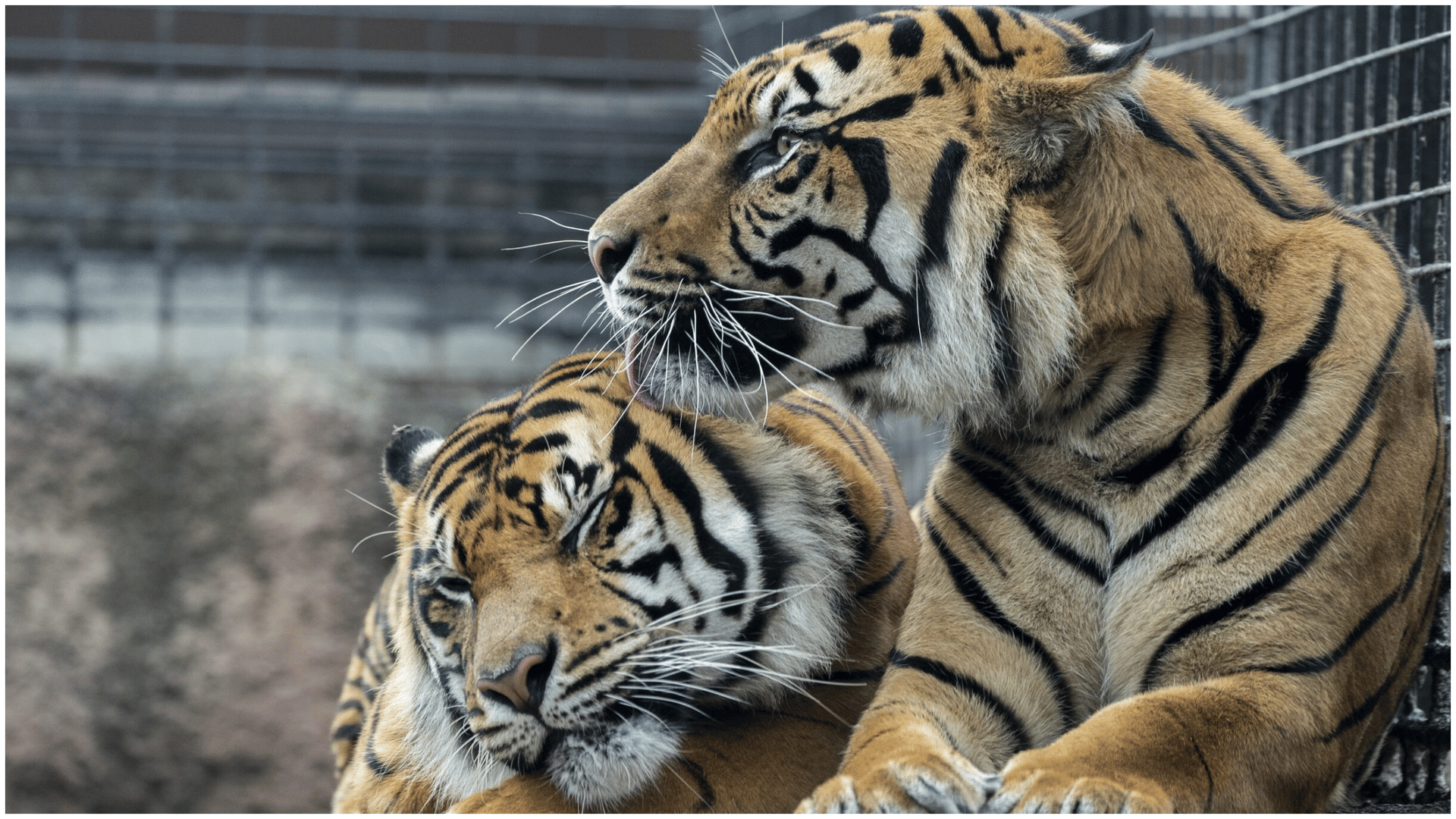
The Topeka Zoo helps fund a full-time ranger in Sumatra’s Leuser Range, where half of the remaining wild Sumatran tigers live. This region is one of the last places on Earth where tigers, rhinos, elephants, and orangutans coexist, making it a high priority for global conservation. The ranger’s job isn’t glamorous—it’s days of trekking through dense jungle, tracking animals, and protecting them from poachers who target tiger organs for use in traditional medicine. The zoo’s long-term commitment to this cause shows just how far a local institution can reach when it comes to saving wildlife.
Monarchs, Milkweed, and Your Backyard
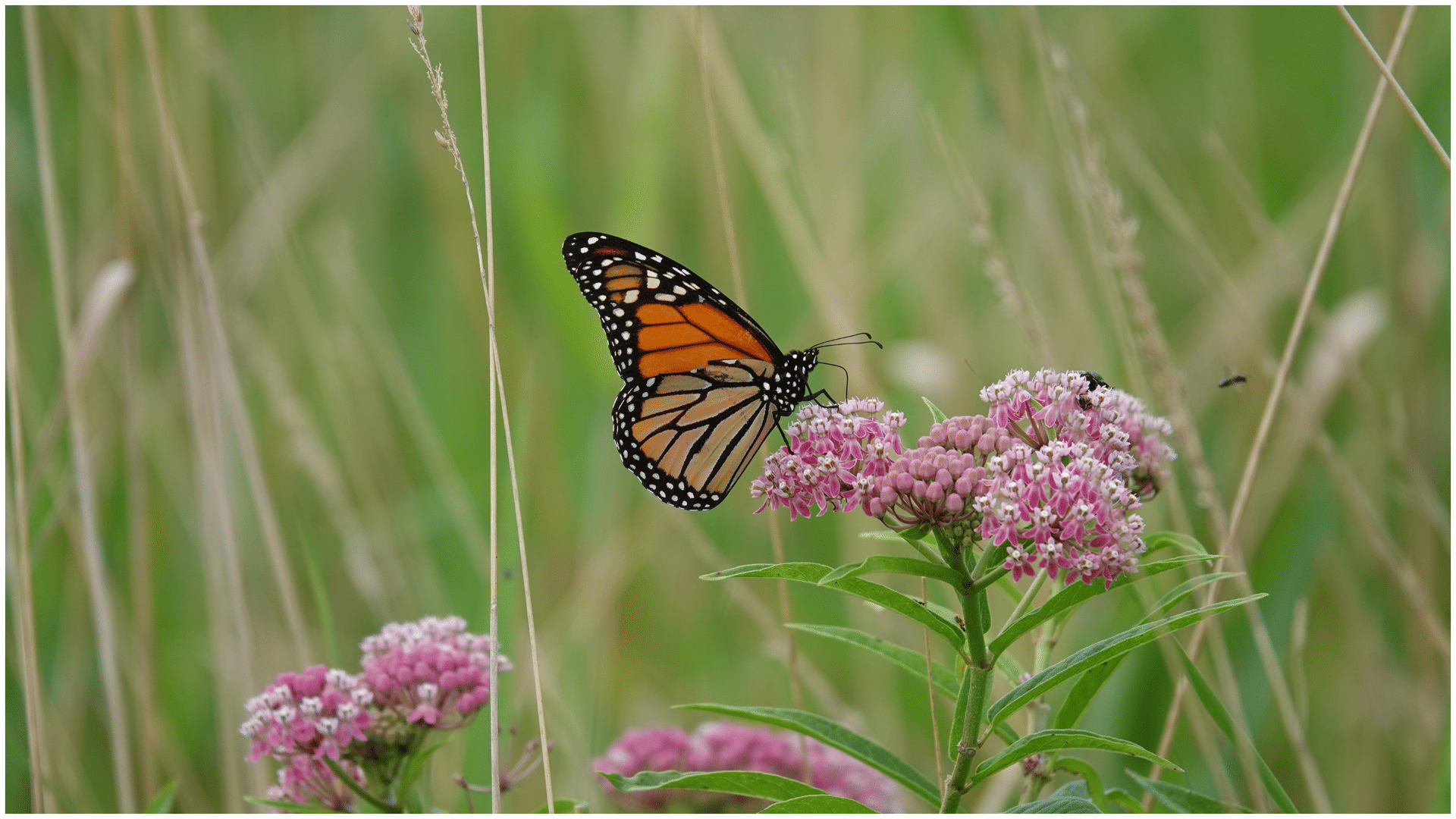
Monarch butterflies have declined by 90% in just 15–20 years, largely due to milkweed loss—the only plant where monarchs lay their eggs. These iconic butterflies play a vital role in pollination and are a symbol of transformation and migration. To combat their decline, the Topeka Zoo hosts an annual native plant sale before Mother’s Day, offering thousands of milkweed and native flowers at affordable prices. By planting even a small patch of milkweed in your yard or on your balcony, you’re contributing to a nationwide effort to rebuild critical habitat.
Ferrets from the Brink of Extinction
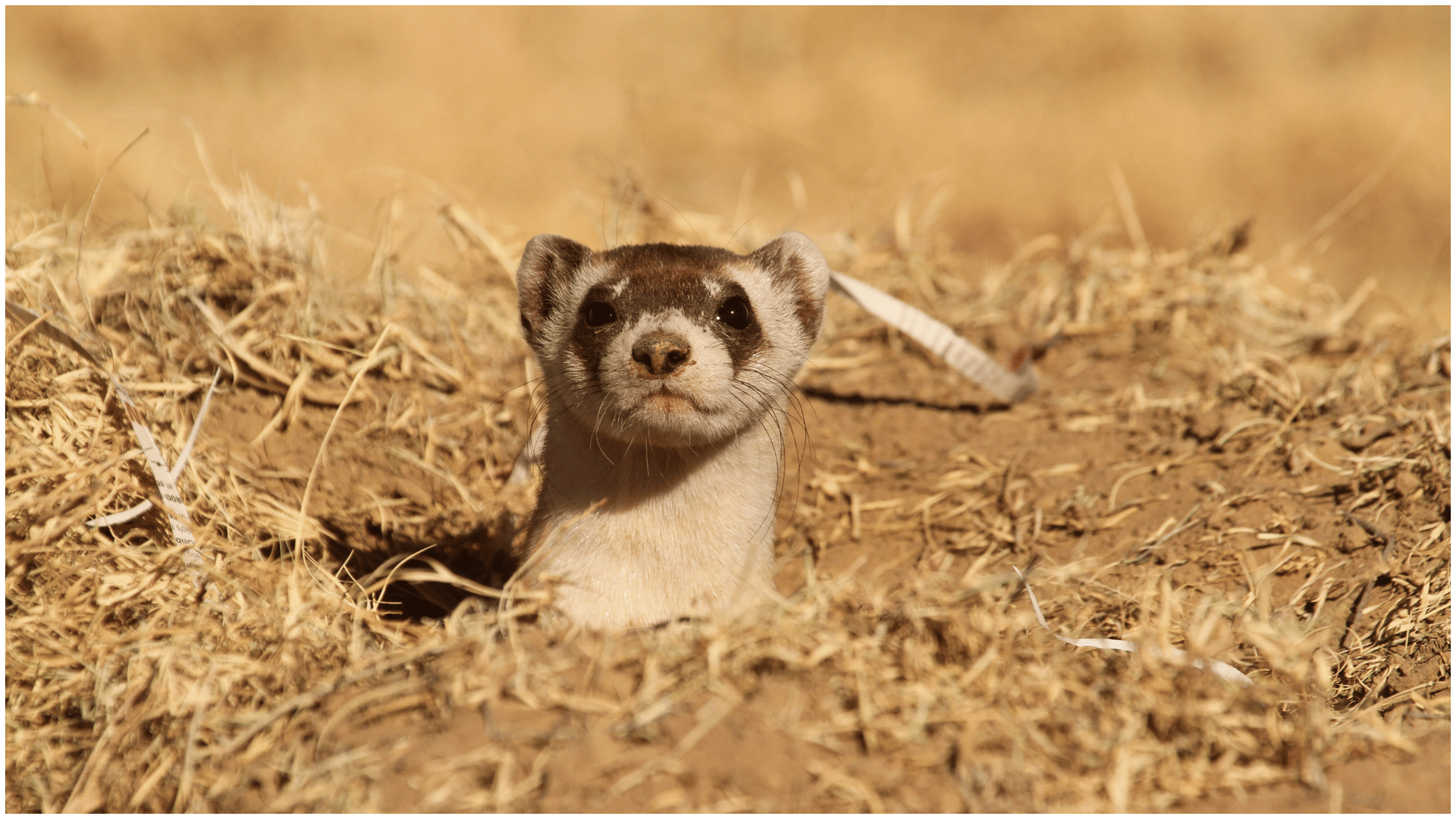
Black-footed ferrets were once declared extinct—until a Wyoming dog brought one home in its mouth. Scientists discovered a small population hanging on by a thread, and through an ambitious breeding and reintroduction program, zoos like Topeka’s have played a critical role in their comeback. The Topeka Zoo helps manage a 10,000-acre reintroduction site right here in Kansas, where annual surveys track the health of the population. It’s a story of hope, science, and unlikely heroes.
Tiny Beetles, Big Efforts
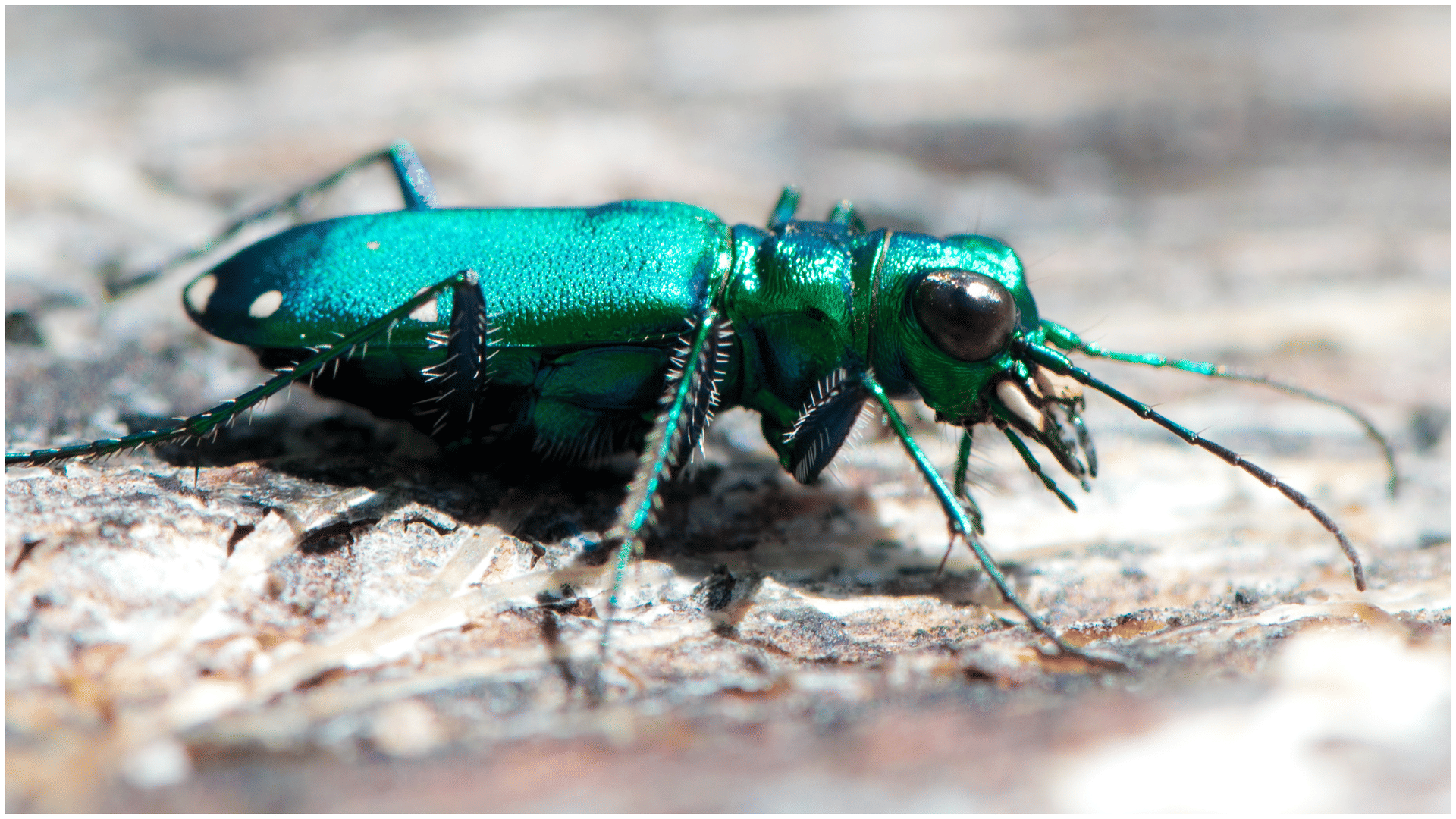
Salt Creek tiger beetles exist only on a few salt flats in Nebraska. Measuring less than half an inch long, these beetles might seem insignificant, but they play an important role in their ecosystem as both predator and prey. The Topeka Zoo breeds them in carefully controlled environments—simulating salt flats in chambers inside its rainforest building—then releases them into the wild. It’s a reminder that conservation doesn’t just mean protecting large mammals; even the smallest creatures deserve attention.
Education in Every Exhibit
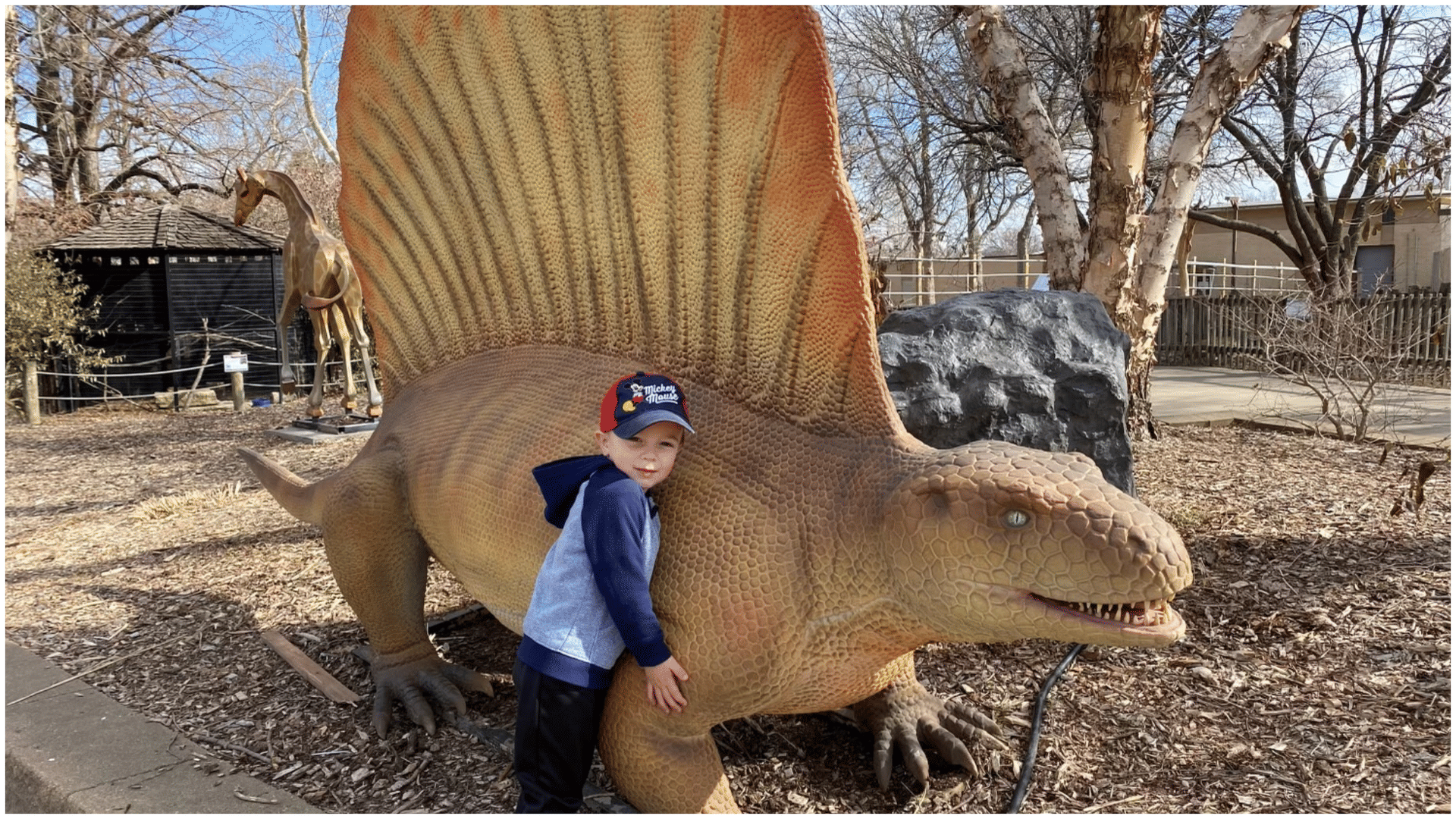
Right now, the zoo is bursting with prehistoric energy thanks to “Dino Days,” a traveling exhibit that features life-sized animatronic dinosaurs that move and roar as visitors walk by. But this is more than just a fun photo op—it’s an immersive learning experience that explores North American dinosaur species, Kansas’s ancient past under the Western Interior Seaway, and the evolutionary connection between dinosaurs and today’s birds. Whether you're 5 or 75, you’ll walk away with a new appreciation for the prehistoric world and how it connects to today’s wildlife.
Coming Soon: A New Tiger Exhibit
Up next for the Topeka Zoo is a $7.5 million exhibit featuring Sumatran tigers, king vultures, and a new education center that will bring conservation messages to life. This isn't just a new home for animals—it’s a place for visitors to better understand the challenges facing these species and how they can help. With immersive displays and interactive elements, the new habitat will inspire curiosity, empathy, and action.
About the Author:

This article on conservation efforts at the Topeka Zoo featuring Dennis Dinwiddie was written by Justin Armbruster of the Armbruster Team at Genesis, LLC, REALTORS®—local experts in Topeka real estate, storytelling, and community connections. Justin is passionate about spotlighting the people and places that make Topeka great. Contact him at 785-260-4384 or follow on Instagram for more local highlights and real estate tips.